

GetStarNews GetStarNews
Sign In
Live
Martinsville Desk

Distillery

— President Donald Trump is facing questions about the future of his aggressive immigration agenda after acknowledging that his administration's mass deportation policies may ha...

BusinessCategory
PUBLICVisibility
facebook_postSource type
PublishedStory status

— President Donald Trump is facing questions about the future of his aggressive immigration agenda after...

facebook.com | Nov 9, 2026 12:20 PM

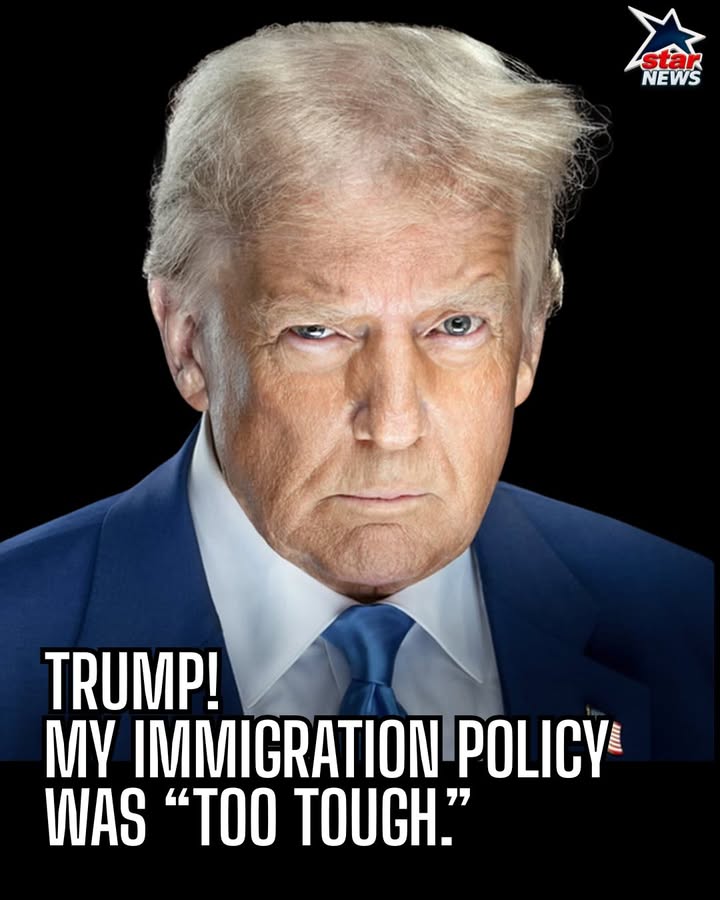
— President Donald Trump is facing questions about the future of his aggressive immigration agenda after acknowledging that his administration's mass deportation policies may have gone too far, just days after Republicans suffered major losses in the 2026 midterm elections.

In a November 8 interview with CBS's 60 Minutes, Trump admitted that his immigration crackdown may have hurt Republicans politically, particularly when it came to undocumented immigrants who had established lives, held jobs and paid taxes in the United States.

Asked whether his deportation policies had been too aggressive, Trump responded, "I think it was too tough."

Trump defended his administration's efforts to secure the southern border and remove people involved in serious crimes, but acknowledged that the crackdown also affected people working in industries such as landscaping and hospitality.

The president suggested he would be willing to work with congressional Democrats on an immigration agreement that could allow some long-term undocumented immigrants to remain in the country while continuing to prioritize the removal of criminals and drug dealers.

But there's another development that has raised eyebrows.

Just days after making those comments, Trump replaced White House Chief of Staff Susie Wiles with Stephen Miller, one of the leading architects of his hardline immigration enforcement strategy.

Miller's appointment raises questions about whether Trump's apparent willingness to soften certain aspects of deportation policy will translate into actual changes.

The timing is particularly interesting: Trump is acknowledging that his immigration approach may have been too aggressive while elevating an adviser closely associated with that very strategy.

For now, the administration has not announced a formal change to its mass deportation policies.

The question moving forward is whether Trump's comments signal a genuine shift in immigration enforcement or simply an acknowledgment that the political fallout from the policy has become harder to ignore.

Original Facebook source: Open post

Source note: Star News TV · Nov 9, 2026 12:20 PM.

Source Record

Source facebook.com
Star News TV
— President Donald Trump is facing questions about the future of his aggressive immigration agenda after acknowledging that his administration's mass deportation policies may have gone too far, just days after Republicans suffered major losses in the 2026 midterm elections. In a November 8 interview with CBS's 60 Minutes, Trump admitted that his immigration crackdown may have hurt Republicans politically, particularly when it came to undocumented immigrants who had established lives, held jobs and paid taxes in the United States. Asked whether his deportation policies had been too aggressive, Trump responded, "I think it was too tough." Trump defended his administration's efforts to secure the southern border and remove people involved in serious crimes, but acknowledged that the crackdown also affected people working in industries such as landscaping and hospitality. The president suggested he would be willing to work with congressional Democrats on an immigration agreement that could allow some long-term undocumented immigrants to remain in the country while continuing to prioritize the removal of criminals and drug dealers. But there's another development that has raised eyebrows. Just days after making those comments, Trump replaced White House Chief of Staff Susie Wiles with Stephen Miller, one of the leading architects of his hardline immigration enforcement strategy. Miller's appointment raises questions about whether Trump's apparent willingness to soften certain aspects of deportation policy will translate into actual changes. The timing is particularly interesting: Trump is acknowledging that his immigration approach may have been too aggressive while elevating an adviser closely associated with that very strategy. For now, the administration has not announced a formal change to its mass deportation policies. The question moving forward is whether Trump's comments signal a genuine shift in immigration enforcement or simply an acknowledgment that the political fallout from the policy has become harder to ignore.
Source ref: 294815822133_1659622406180101
Martinsville MartinsvilleLocalDesk CentralDesk Facebook Starnewstv

Discussion

No comments yet. The first comment here will also become the first public forum reply for this knowledge entry.
Sign up or log in to comment and open the public thread.